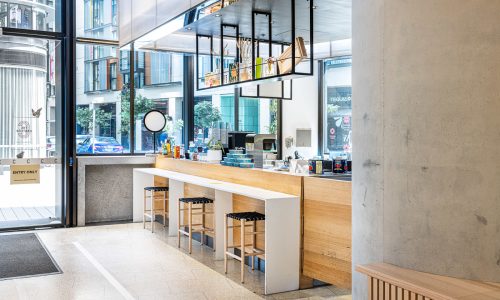
Every venue owner asks the same question: why do two identical-looking fitouts have completely different price tags?
The answer rarely lies in the visible finishes.
Instead, it is hidden in the invisible mechanical, electrical and structural systems – the systems people cannot see.
1. Kitchen and back-of-house infrastructure
Commercial kitchens are the single biggest cost variable in most hospitality fitouts. Ventilation, grease trapping, gas and electrical upgrades, as well as specialised equipment can dwarf the cost of front-of-house finishes.
2. Building condition and compliance
An older building with outdated services, poor ventilation paths or non-compliant fire and food safety infrastructure can add substantial costs before a single design element is chosen.
A Hidden Cost
Two venues with identical floor plans can have wildly different budgets depending on what’s behind the walls. A site with existing hospitality-grade services can cost half as much to fit out as one starting from a blank commercial shell.
3. Permits, professional fees and approvals
Building control, planning consent, food business registration and liquor licensing rarely make it into a first-pass budget, but they take real time and real money to get through. And it is important to remember that delays here can hold up everything downstream. Design and engineering fees are part of this too; they are easy to underestimate when a budget is built around the visible construction costs alone.
4. Equipment specification
Commercial-grade equipment varies enormously in terms of price and lifespan. Cheaper equipment can look like a saving upfront, but higher failure rates and shorter lifespans often mean increased costs across the life of the venue.
5. Furniture, fixtures and front-of-house presentation
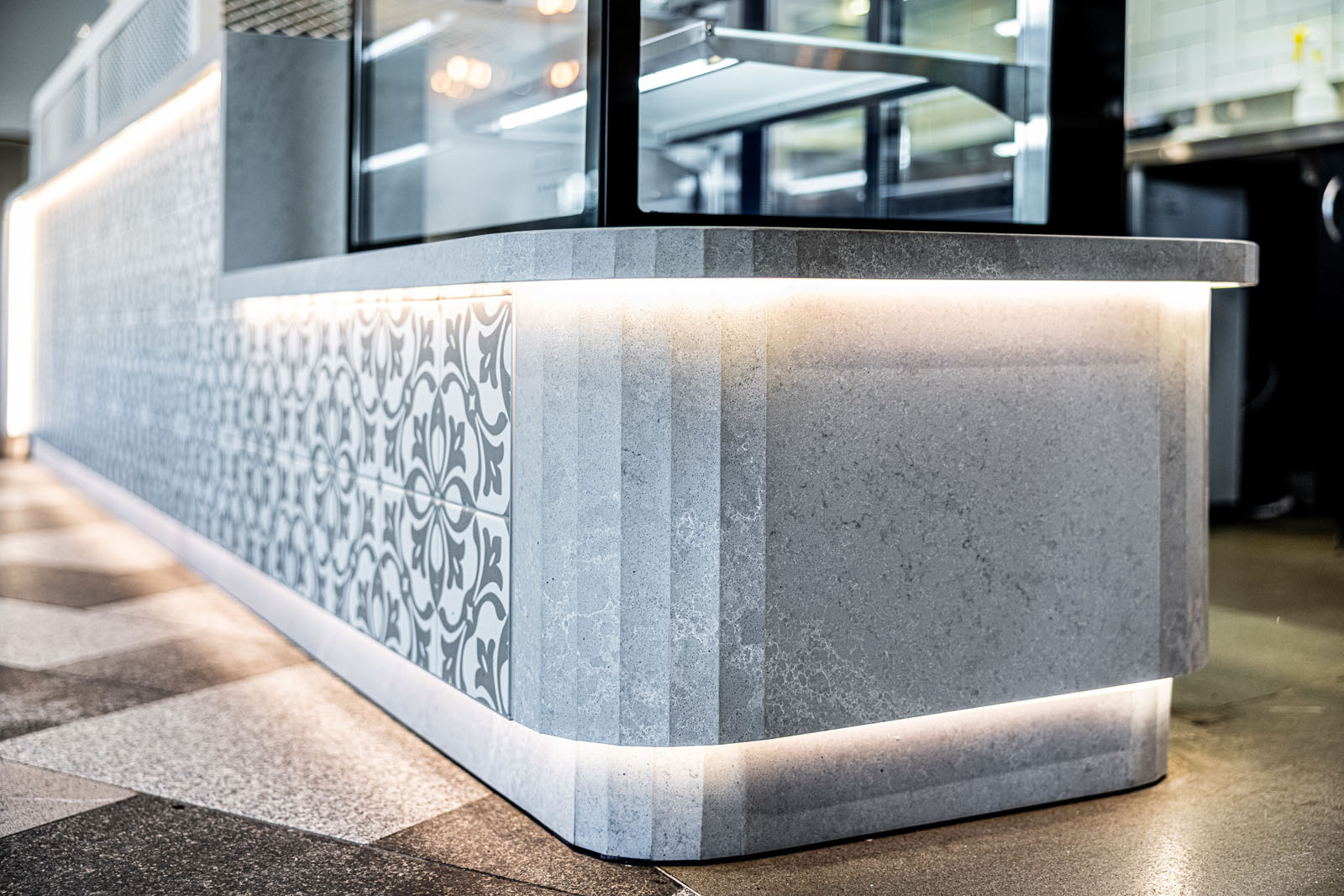
All of these items are under a different budget to kitchen equipment – furniture, joinery, lighting and fitted finishes – and they are easy to under-estimate. These items shape how the venue actually feels to a customer, so cutting corners here is not a good idea.
6. Design complexity
Bespoke joinery, custom finishes and architecturally distinctive spaces cost more than templated fitouts – but they’re also what differentiates a venue in a competitive market.
7. Scope changes mid-project
Changing decisions once construction has started – moving a kitchen wall, adding a bar station, upgrading finishes – is consistently one of the most expensive ways to spend a fitout budget.
Lock the Brief, Protect the Budget
The earlier decisions are finalised, the cheaper they are to implement. A change made on paper costs almost nothing. The same change made mid-fitout can cost multiples of the original price.
Where the Budget Should Go First
Not all spending delivers equal value.
Back-of-house systems – kitchen infrastructure, ventilation, and equipment – directly affect a venue’s ability to operate profitably, and should typically be prioritised over front-of-house finishes when budgets are tight.
Why Integrated Planning Reduces Cost, Not Just Complexity
Fragmented projects, where consulting, design, equipment and construction sit with different, disconnected providers, are a common source of budget blowouts. A joinery detail gets signed off before it’s been checked against the kitchen equipment schedule, or a ventilation spec is locked in before the menu is – and the rework that follows is rarely cheap.
Liteco Hospitality’s model brings strategy, design and technical delivery together from the outset, so cost decisions get made with the full picture in view, not discovered halfway through construction.
Budgeting With Confidence
A realistic hospitality fitout budget accounts for kitchen infrastructure, compliance and approvals, equipment quality, front-of-house presentation, and design ambition. Understanding where the money actually goes is the first step to spending it well.